By Ramie Lantz
August 13, 2026
Open concept living has gained popularity in modern interior design due to its ability to create spatial harmony and foster connectivity within a home. A crucial aspect of achieving this seamless look is through the choice of flooring. This article will explore smart flooring choices for open concept spaces, considering aesthetics, functionality, budget, and sustainability. The right flooring not only contributes to a unified appearance but also enhances the longevity and functionality of the space. By examining various materials and trends, homeowners can make informed decisions about the best flooring options for their specific needs. Working with local flooring companies can also provide valuable guidance when selecting materials that complement an open floor plan and fit your budget.
Understanding Open Concept Living
Open concept living spaces have evolved significantly over the past century, reflecting changes in societal structures and residential design. Initially, homes were compartmentalized into specific functional areas, with walls delineating boundaries between rooms. As lifestyles became less formal, the demand for more flexible and interactive spaces grew, leading to the adoption of open floor plans. This design movement gained traction in the mid-20th century, influenced by architects like Frank Lloyd Wright, who championed the idea of a unified, harmonious living space. Today, open concept living is celebrated for its ability to maximize light and movement, promoting a sense of unity and integration within the home.
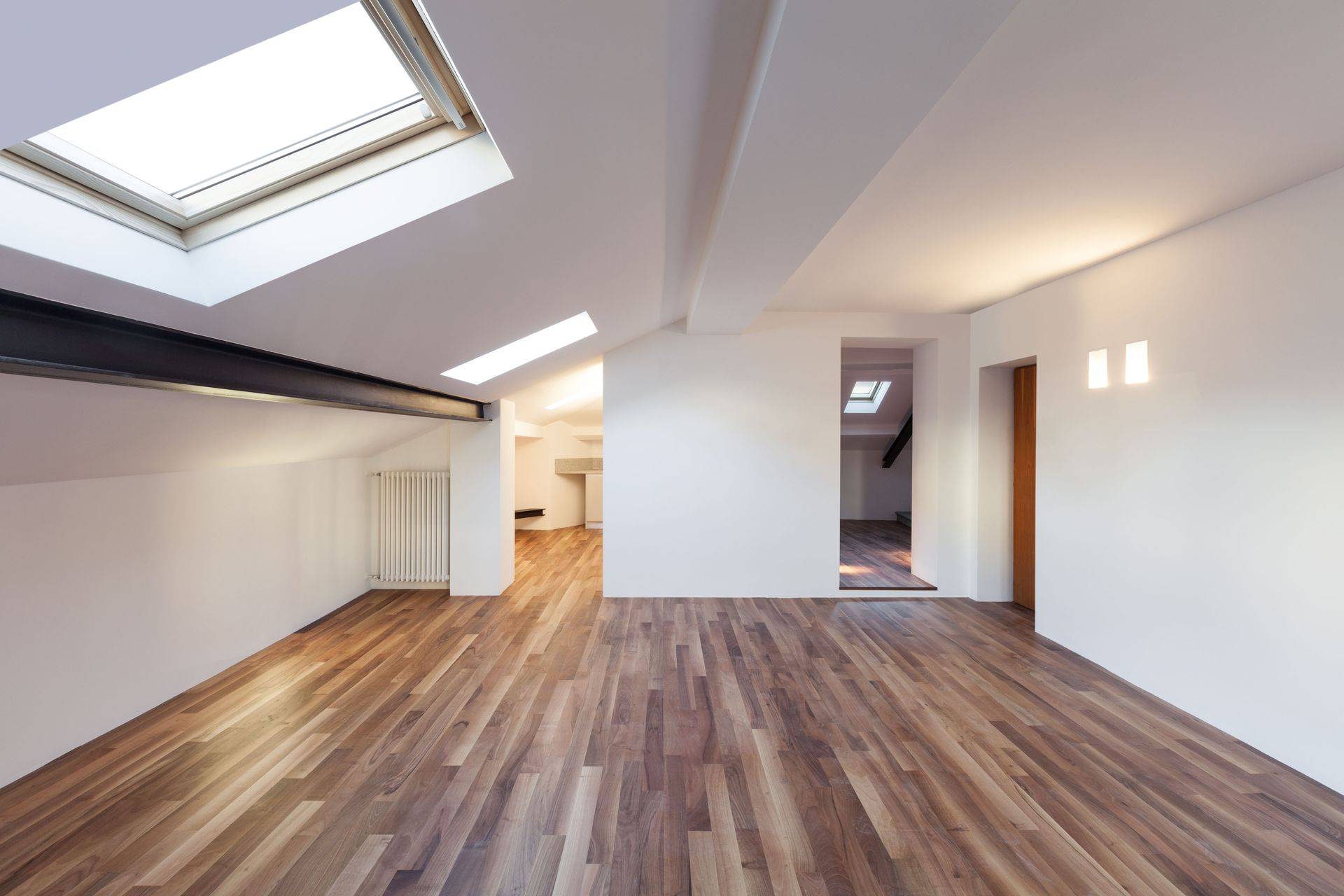
The key design elements of open concept living involve the removal of unnecessary walls to create a sense of spaciousness and fluidity. Furniture arrangement, color coordination, and flooring choices play critical roles in defining these spaces while maintaining a cohesive look. Adequate lighting and minimalistic decor further enhance the openness, allowing occupants to experience an uninterrupted flow from one area to another. The choice of flooring is particularly pivotal as it provides the base upon which the rest of the design elements are built. By ensuring that flooring transitions smoothly throughout the space, homeowners can achieve the desired sense of continuity and harmony.
Open concept spaces offer numerous benefits, including increased natural light due to the lack of obstructive walls. This design facilitates improved social interaction among family members and guests, as activities in different areas can occur simultaneously. The unobstructed flow also makes these spaces adaptable, allowing for varied furniture arrangements and the creative use of interior decor. Moreover, such spaces often feel larger than their closed-plan counterparts, making them ideal for compact urban living environments. The aesthetic appeal and functionality of open concept living continue to spur interest and adoption among homeowners worldwide.
Flooring plays a central role in open concept living spaces by establishing a cohesive visual foundation that connects different areas. A seamless floor design ensures that the space flows naturally without abrupt transitions that could detract from the overall aesthetic. The choice of flooring also impacts the acoustics and durability of the environment, making it crucial to select materials that align with the intended function of the space. Many local flooring companies can recommend products that perform well in open layouts while complementing your home's overall design. With the growing demand for open floor plans, manufacturers are innovating to produce materials that meet these specific needs. According to Floor Covering Weekly, flooring manufacturers were shipping over 7 billion square feet of material in early 2026 to meet the rebounding demand, reflecting the importance of flooring in modern design.
Key Considerations for Seamless Flooring
Achieving visual continuity in open concept spaces is paramount for creating a harmonious atmosphere. The choice of flooring material should facilitate a smooth transition from one functional zone to the next, enhancing the sense of unity. Consistent color schemes and textures ensure that the flooring does not disrupt the flow of the design. This continuity extends beyond aesthetics; it also influences the psychological perception of space, making areas feel larger and more integrated. Thoughtful coordination of materials and finishes is essential in maintaining this continuous visual flow throughout the space.
In open concept living, the flooring must withstand various levels of foot traffic and usage without compromising its appearance. Durable materials like engineered hardwood, luxury vinyl, and polished concrete are particularly effective in these environments. The flooring should resist wear and tear from daily activities, ensuring it remains attractive over the years. Selecting high-quality materials with superior durability reduces the need for frequent replacements, thereby offering long-term cost savings. Local flooring companies can help homeowners compare the durability and performance of different materials based on their household's unique needs.
Effective acoustic control is necessary in open concept spaces to prevent unwanted noise from disrupting the harmony of the environment. Certain flooring materials, such as carpets and cork, naturally absorb sound better than hard surfaces. However, for those preferring the look of hardwood or tile, the use of sound-absorbing underlays or area rugs can mitigate excessive noise. Creating a balance between aesthetic preferences and acoustic requirements ensures a comfortable living experience. Incorporating design features such as acoustic ceiling panels may also assist in managing noise levels, enhancing the overall tranquility of the space.
Open concept living spaces benefit from flooring that offers straightforward maintenance and cleaning. Materials like luxury vinyl planks and polished concrete are known for their resilience and ease of cleaning, making them ideal in high-traffic areas. The reduced need for rigorous upkeep allows homeowners to enjoy their living spaces without the burden of extensive cleaning routines. It's important to choose flooring that complements the lifestyle of the residents, balancing sophistication with practicality. Easy maintenance also prolongs the life and look of the flooring, contributing positively to both aesthetics and functionality.
Top Materials for Seamless Floors
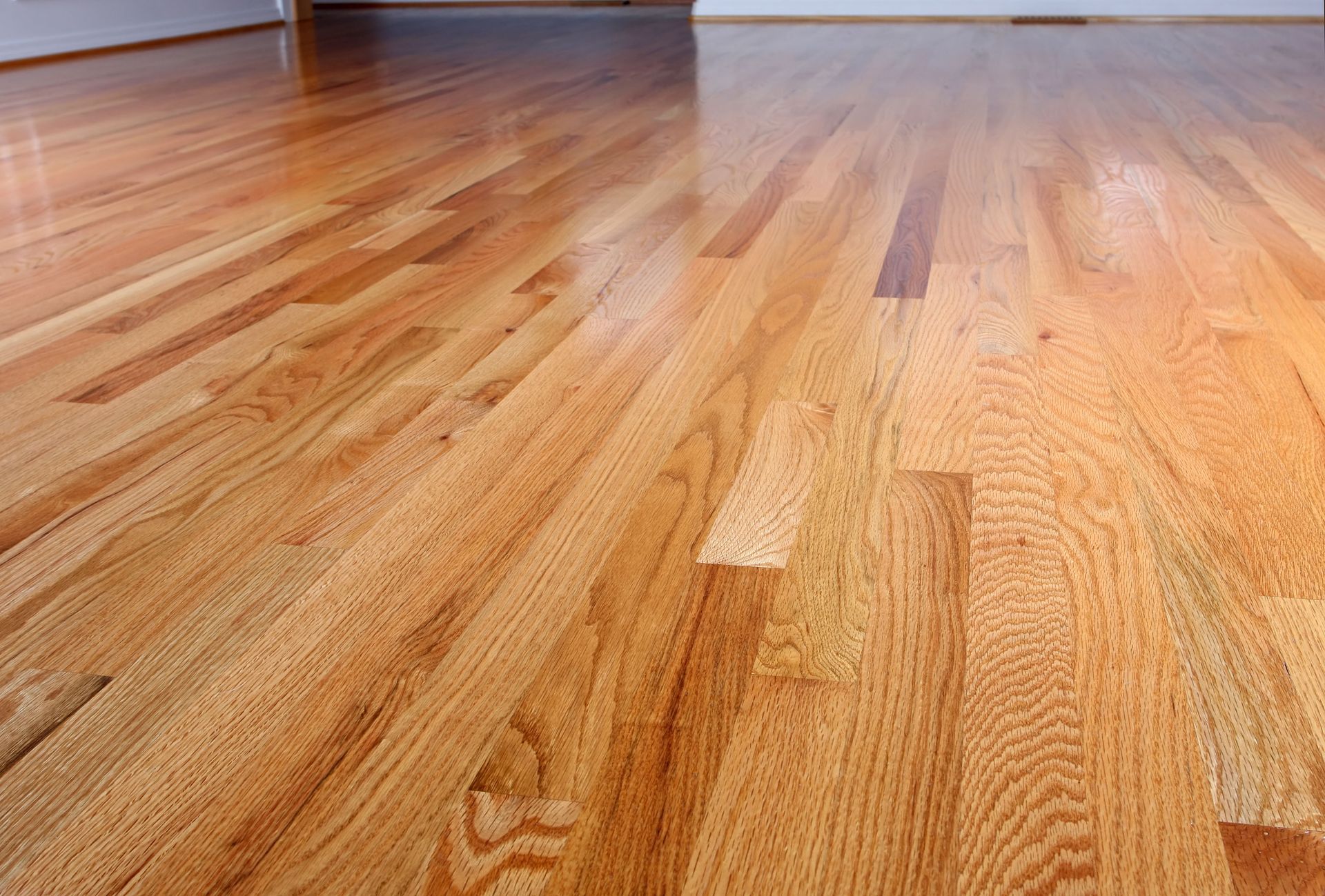
Engineered hardwood offers the luxury appearance of natural wood with added durability and stability for open concept spaces. It consists of a genuine hardwood veneer layer over high-quality plywood, providing strength against warping and moisture impact. Engineered hardwood is available in a variety of finishes and styles, allowing for customization according to the aesthetic preferences of a home. Its ease of installation makes it a popular choice for those seeking both visual appeal and practical advantages. This material provides a premium feel, making it an attractive option for those looking to invest in timeless beauty.
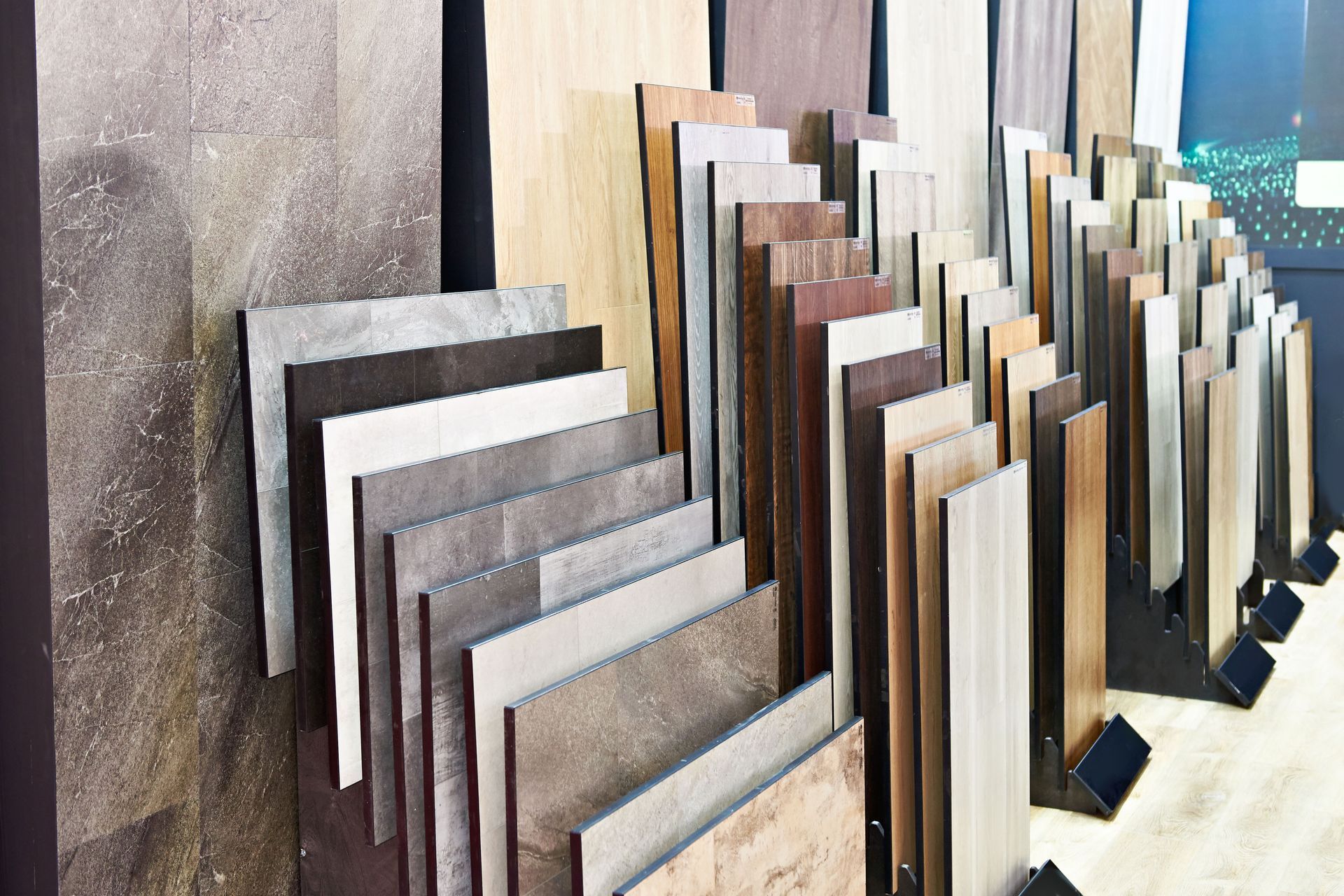
Luxury vinyl planks are celebrated for their stylish look and remarkable durability, making them ideal for high-traffic areas within open concept designs. They are resistant to moisture and scratches, ensuring a long-lasting finish even in homes with children or pets. Available in a wide range of colors and patterns, luxury vinyl can mimic the look of natural wood or stone, providing versatility in design. Installation of this material is often straightforward and can be done as a DIY project, reducing expenses. For those prioritizing cost-effectiveness without sacrificing aesthetics, luxury vinyl planks present a compelling option.
Polished concrete is becoming an increasingly popular flooring choice for open concept spaces due to its minimalist and industrial aesthetic. This material is incredibly durable, capable of withstanding heavy use while maintaining its sleek appearance. Its reflective surface can enhance natural light, creating a brighter and more inviting environment. Additionally, polished concrete floors require minimal maintenance, making them suitable for busy households. The ability to stain or pattern concrete offers unique customization options, ensuring the floor complements the style of the home.
Choosing the right flooring is one of the most important decisions when designing an open concept home. By considering factors such as durability, maintenance, acoustics, and visual continuity, you can create a space that feels cohesive and functions well for everyday living. Whether you prefer the warmth of engineered hardwood, the practicality of luxury vinyl, the modern appeal of polished concrete, or the versatility of tile, selecting a flooring material that matches your lifestyle and design goals will help you enjoy a seamless, inviting home for years to come. Consulting with
local flooring companies can make the selection and installation process easier, helping you choose materials that suit your home's layout, style, and long-term needs. Contact Carpet Advantage today for more information.